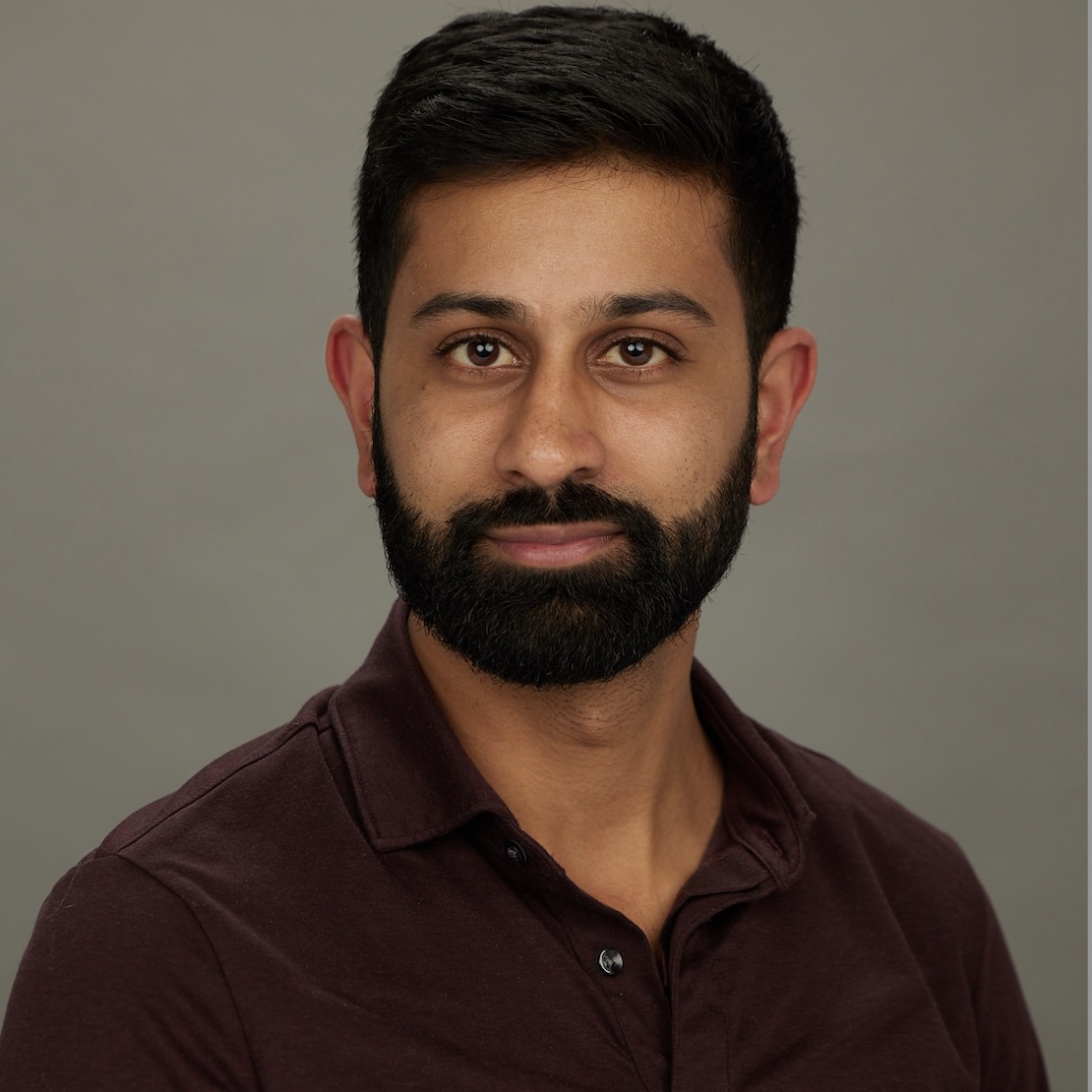
Zain Kasmani
Specialty Trainee Doctor in Urology
NHS Fellow in Clinical AI
Fellowship Bio
I am a Urology Registrar within the Oxford Deanery. I am passionate about the purposeful integration of AI-based technologies; the correct use of which will extract more meaningful value from healthcare professionals and consequently enhance both patient outcomes and their experience of care.
Fellowship Project
Oxford University Hospitals NHS Foundation Trust
Professor Royston, Consultant Pathologist in the Radcliffe Department of Medicine at the University of Oxford, leads a multidisciplinary collaboration bringing together experts in haematology, pathology and biochemical engineering to advance the field of digital pathology. The team is exploring how artificial intelligence (AI) can introduce objective, quantitative measures into areas of pathology that have traditionally relied on subjective assessment. My project built on existing work using digitised bone marrow trephine biopsy slides from patients with myeloid neoplasms. The primary aim was to develop an AI model capable of accurately estimating blast cell numbers on each slide. This has the potential to replace the current subjective approach, reducing inter-observer variability and improving the consistency and reliability of diagnosis. As I do not have a background in pathology, I first developed an understanding of the underlying disease processes, diagnostic criteria and current assessment methods. I then contributed throughout the project pipeline, including data collection from bone marrow trephine samples, image annotation, dataset curation and cleaning, and analysis of the AI model’s performance against established diagnostic techniques. I also assisted with processing and interpreting the results to evaluate the model’s clinical utility. During the fellowship, the team successfully developed a preliminary AI model that demonstrated proof of concept, providing encouraging evidence that automated blast cell quantification is feasible. The next phase of the project will focus on refining and validating the model using larger datasets before evaluating how it can be safely and effectively integrated into routine clinical workflows.
Fellowship Testimonial
This fellowship provided a unique opportunity to step away from day-to-day clinical practice and dedicate time to learning, innovation and collaborative research. Through a comprehensive programme of teaching from nationally recognised experts, I developed a strong understanding of AI, its current applications in healthcare, and the evidence and governance required for its safe implementation. The fellowship also opened numerous opportunities beyond the core project. I became a Digital Ambassador for my hospital, submitted a grant application for my own AI project within urology, collaborated on a uro-radiology project exploring AI to reduce the use of intravenous contrast agents, and contributed to the evaluation of an AI tool for prostate cancer screening. In addition, I have been invited to deliver a lecture on AI to a cohort of international medical students. Perhaps the most rewarding aspect of the programme was becoming part of a national network of clinicians, scientists and digital specialists who share a common goal of improving patient care through responsible innovation. The fellowship has strengthened my ambition to combine clinical practice with digital health research and has provided the skills, experience and professional network to help shape the future adoption of AI within the NHS.