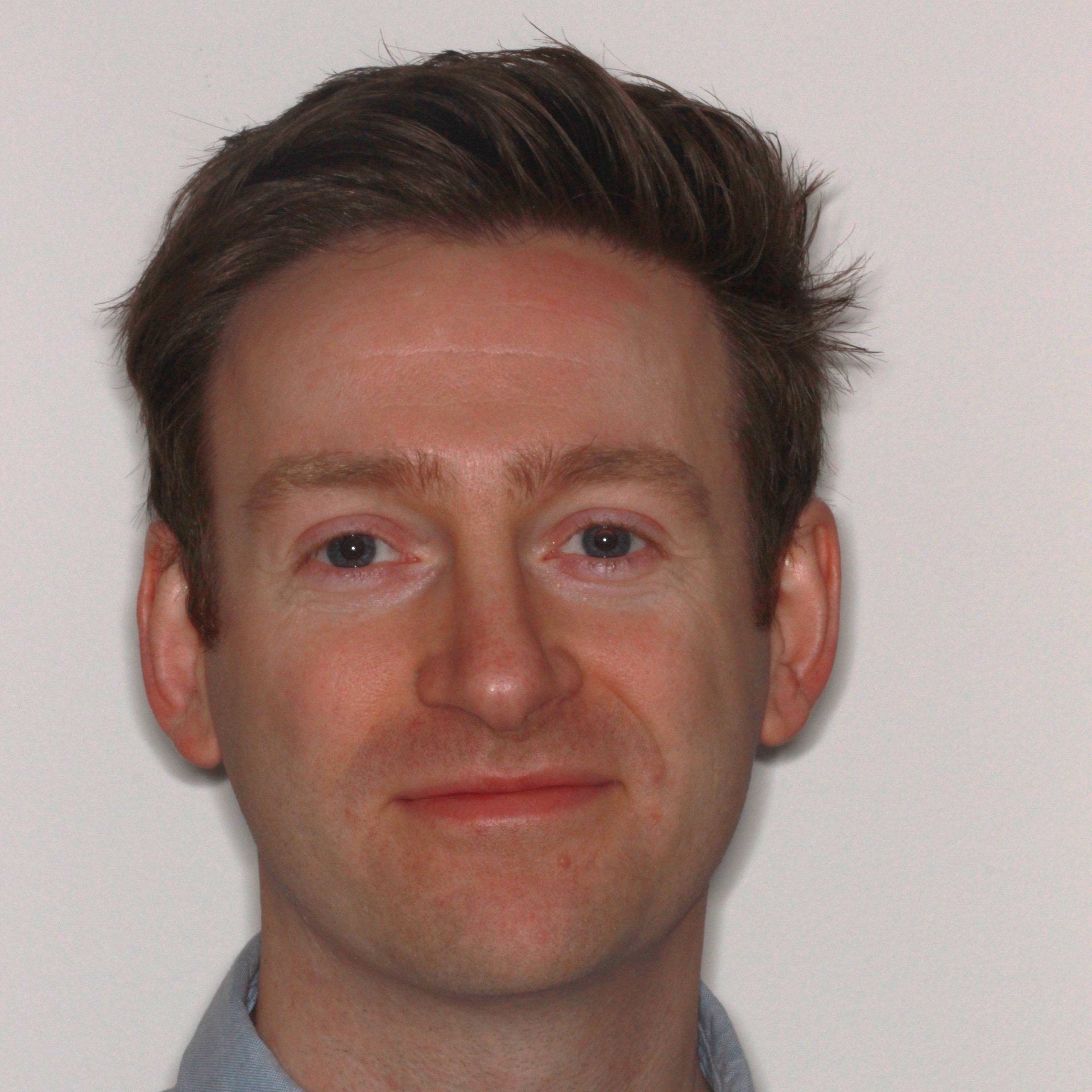
Matthew Lowry
Specialty Trainee Doctor in Cardiology and General Internal Medicine
NHS Fellow in Clinical AI
Fellowship Bio
I undertook my provisional clinical training in Scotland before moving to Bristol where I am currently a cardiology registrar specialising in electrophysiology and devices at the Bristol Heart Institute. I gained an interest in data science and AI during my PhD at the University of Edinburgh.
Fellowship Project
A prototype ambient voice technology monitoring system
NHS Primary Care Digital Laboratory
Ambient voice technology (AVT) is an AI tool that automatically creates clinical documents such as structured clinical summaries by passively listening to patient-doctor interactions. It promises to reduce the administrative workload on staff, leading to more efficient, patient-focused care. However, it can make mistakes, such as leaving out important details or adding things that were never said. This project aimed to build a tool that can automatically identify these errors and alert clinical teams before they affect patient care. As part of a small team, I was able to use my clinical knowledge and prior research experience to help design, build and test a prototype system for AVT monitoring. Our provisional testing showed that the prototype consistently identified errors in AI-generated consultation summaries. Our focus now shifts to fine-tuning performance ahead of a larger evaluation. Our hope is that our work will help healthcare institutions meet the regulatory requirements for the post-market surveillance of AVT, aiding its safe adoption in the NHS.
Fellowship Testimonial
The NHS Fellowship in Clinical AI allowed me to gain exposure to the rapidly expanding and important area of healthcare AI. It provided direct teaching in important aspects of the AI life cycle which I was then able to combine with my clinical and research experience to contribute to a real-world AI project. I gained a much deeper understanding of how AI systems are regulated, governed, and monitored once deployed, and developed practical skills in evaluation methodology. What I enjoyed most was the collaborative nature of the work: sitting alongside a computer scientist and AI engineer; discussing clinical, technical, or sometimes philosophical aspects of our project; and ultimately working together to create a novel solution to a challenge facing the implementation of a new technology across the NHS. I also greatly enjoyed the time spent with the other fellows, not only being energised by their enthusiasm but learning from their background knowledge and experience of the fellowship. As I progress with my clinical training, I intend to carry these skills forward, using them to critically evaluate new technologies entering clinical practice and to help ensure AI is adopted safely and responsibly across the NHS. I wish to thank my supervisors and everyone I worked with during the fellowship, and I look forward to the next stage of this project.