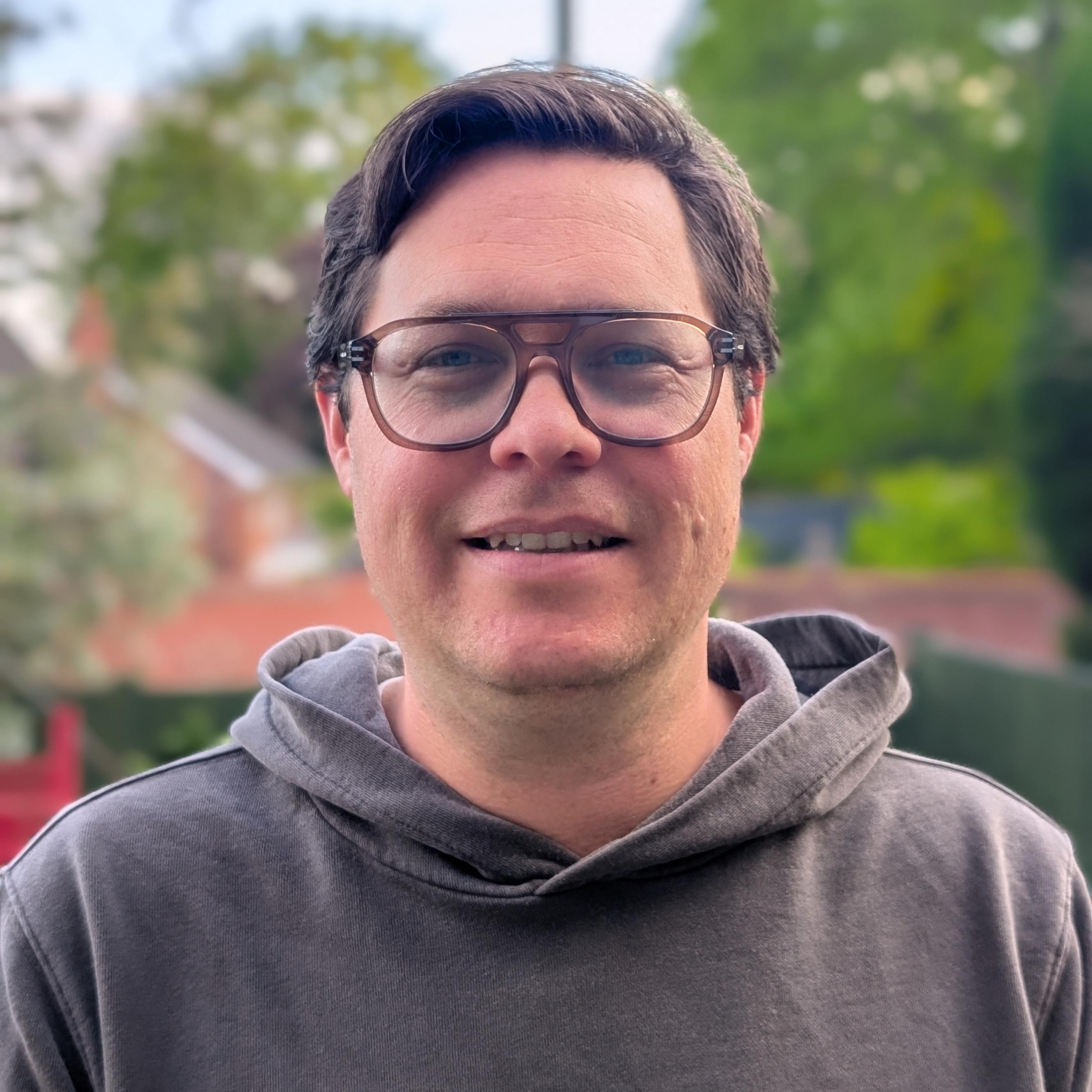
John Hartemink
Specialty Trainee Doctor in Renal and General Internal Medicine
NHS Fellow in Clinical AI
Fellowship Bio
Senior renal registrar at Manchester University NHS Foundation Trust and PhD candidate at the University of Manchester. His fellowship focused on building an on-premise LLM pipeline phenotyping clinical documents into a renal clinical registry, enriching a registry containing ~200,000 patients.
Fellowship Project
Enriching Clinical Registries with NLP
Manchester University Hospitals NHS Foundation Trust
Goals. Most of what a kidney doctor knows about a patient sits in prose: biopsy reports, clinic letters, heart scans. A computer cannot count or search any of it, so a hospital cannot easily say how many patients have a given diagnosis, or who is missing treatment, without reading thousands of documents by hand. The project built a system that reads those documents and turns them into structured data, using a large language model running entirely on hospital computers so no patient’s words leave the Trust. The results feed a live kidney registry inside the hospital’s electronic record, covering around 180,000 patients, and appear on dashboards clinicians already use. My role. I led and built it: the pipeline, the local model setup, the accuracy testing, and the tool clinicians use to check the model’s answers field by field. I did that clinical review myself. I specified the registry dashboards and triage logic with the Trust’s Epic team, and wrote the data protection, clinical safety and device classification documents that make it deployable. That strand led me to propose a formal approval process for any predictive model going live in the record. The Trust granted the mandate, and I now co-lead the MFT AI Governance Panel as Clinical Safety Officer. The biopsy arm is validated against a 100-report gold standard I corrected by hand, at around 95% agreement on diagnosis, with five models benchmarked and the model swappable without a rebuild. The registry is live, and the governance panel is running its first model through validation. Still to do: validating the three remaining document types, repeating validation with several reviewers rather than one, and involving patients directly in design.
Fellowship Testimonial
What I gained is the experience of taking a tool the whole way: building it, testing honestly whether it works, and doing the clinical safety and informatics work that decides whether anything ever reaches a patient. I came in with rudimentary building skills. I leave able to build things the NHS can actually adopt, which turns out to be a different skill, and mostly not a technical one. The clearest sign of that is where it led: the strand I expected to find driest, safety and regulation, is the one that gave me the standing to ask the Trust for an AI governance panel and to be given a founding role in it. What I enjoyed most was building agentic AI tools deeply into my own working day. It changed what I could get done, and by a wide margin. Work that would once have needed a team and a year became something I could take on around clinical commitments. That mattered because clinical medicine is the part I never wanted to give up, and it is still where my real interest lies. The fellowship let me do serious AI work without stepping away from patients, and the amount that turned out to be possible on those terms is the thing I would most want other clinicians to hear. For my career, this settles a question I had been carrying. AI is now a permanent part of what I do rather than a side interest fitted around the day job. I will take it into my clinical practice, into the governance work at the Trust, and into Nephronaut, the company I co-founded, which I hope becomes a serious presence in nephrology AI. The fellowship is what turned that from an ambition into a plan.