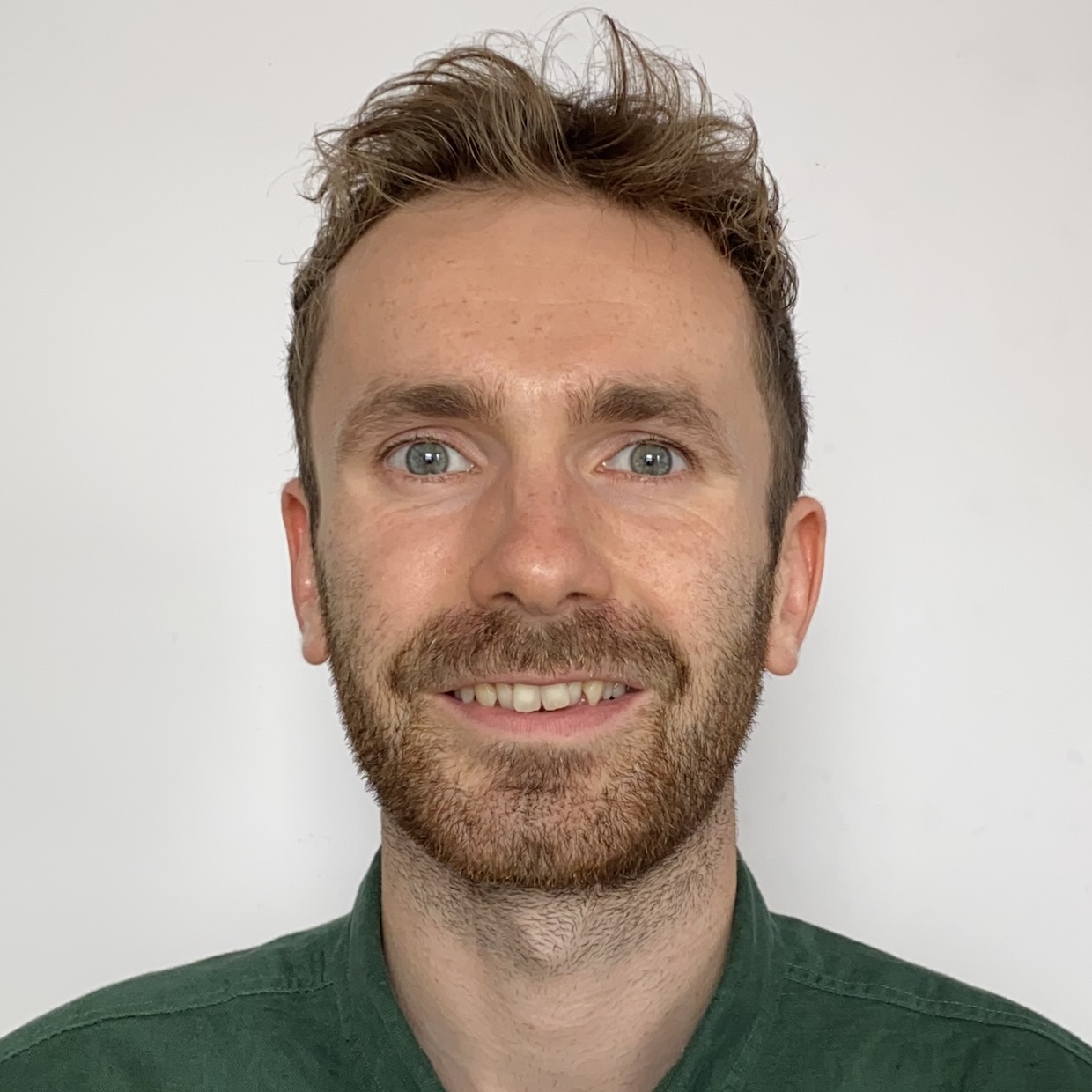
Daniel Simpson
Specialty Trainee Doctor in Paediatrics
NHS Fellow in Clinical AI
Fellowship Bio
I am a paediatric haematology registrar currently working in Bristol, alongside my clinical AI role based in London. Here I worked as part of the BloodCounts! consortium, aiming to apply machine learning methods to raw full blood count data in attempts to improve diagnostic capabilities.
Fellowship Project
Barts Health NHS Trust
One of the main projects I worked on this year involved using artificial intelligence to triage genetic testing requests for patients suspected to have polycythemia vera (PV). This is a condition in which too many red blood cells are produced, and it often requires treatment with either regular blood-letting or chemotherapy. Almost all patients with the condition have a mutation in a gene called JAK2, and so a positive genetic test is seen as diagnostic for PV. The laboratory at the hospital trust I was placed with received a large number of referrals for testing from multiple sites across South East London, and were faced with a rising test burden. The goal was to develop an AI model that could predict, based on a patient’s age, gender and full blood count at the time of referral, whether or not the patient would be positive for the JAK2 mutation. It would be used by laboratory staff to triage referrals based on probability of a positive result; this could therefore improve turnaround time for high risk cases, who might otherwise develop blood clots and other complications of PV whilst waiting for a result, and also allow requests for further information to justify testing in patients with a low probability of having the mutation. I first curated a dataset that covered JAK2 testing results in the trust over the past 6 years, and linked each result to a relevant full blood count. Using this dataset I then generated a benchmark using four existing algorithms that also aim to rationalise JAK2 testing, before training and comparing 3 models and selecting the best performing. We then completed a 6-month period of temporal validation to ensure model performance was maintained, and are currently finishing external validation work ahead of plans for local implementation.
Fellowship Testimonial
My year as part of the fellowship was a really enjoyable experience, and I feel I learned a lot about both the development and implementation stages of the AI life cycle. The team I was placed with were research-focused, and their work primarily involved the initial phases of model development. This was exciting, as it meant I was working with experienced data scientists and machine learning engineers, with the chance to explore datasets, improve my understanding, and gain lots of new skills in this field. It also allowed me to contribute my own knowledge, as we were working with clinical data that often required interpretation in contexts that I had not considered previously. The personal projects I was working on, particularly the JAK2 testing triage tool, were good in that I had my own responsibilities and the scope to develop the projects in whichever way I saw fit. I encountered lots of challenges, and one of the big learning points for me was that in the initial design of any AI model, it is really important to think about how exactly the model will be used; this affects many design choices within the training phase, and it was important for me to have a good understanding of our end goal in order to achieve this effectively. I had an amazing time this year, and feel that working with clinical data in the early stages of AI model development is where I want to focus my efforts going forward. I am hoping to secure funding for a PhD to enable me to continue developing the work started over the course of the fellowship, and rejoin the team who have supported me so well throughout.